Understanding EPA Mold Remediation Guidelines for Healthier Homes and Businesses
Mold is one of those problems that sneaks up on you. A small leak under the kitchen sink, a damp corner in the basement, or a slow drip from an air conditioning unit can create the perfect environment for mold to grow. Before you know it, you are dealing with a musty smell, stained drywall, and possibly hidden mold deep inside your carpet. If you are a homeowner or business owner in the U.S., you have likely heard about the EPA and its recommendations for handling mold, but the details can feel vague. That is where the EPA mold remediation guidelines come into play. They are not a set of rigid laws, but rather a practical framework designed to help people address moisture issues and mold growth safely and effectively.
In my years working with property managers and families dealing with carpet mold, I have seen how often people underestimate the problem. They spray bleach on a visible patch and assume the job is done. But mold is not just a cosmetic issue. It affects indoor air quality, triggers allergens, and in some cases can produce mycotoxins that pose real health risks. That is why understanding the EPA mold remediation guidelines matters. They give you a clear path forward, whether you are tackling a small spot yourself or bringing in a professional service for a full-scale mold removal.
What the EPA Mold Remediation Guidelines Actually Cover
The Environmental Protection Agency (EPA) has published detailed guidance for mold remediation in schools and commercial buildings, but the same principles apply to homes. The core idea is simple: mold needs moisture to grow, so the first step is always to find and fix the moisture source. Without that, any cleaning is temporary. The guidelines then walk through how to contain the affected area, remove contaminated materials, and clean the remaining surfaces. They also stress the importance of personal protective equipment during any remediation work.
One thing I appreciate about the EPA guidelines is that they do not pretend there is a one-size-fits-all solution. Instead, they categorize mold problems by size. A small patch on a bathroom wall is handled differently than a large infestation that has spread through carpet and drywall. For smaller areas, the EPA suggests using detergent and water, drying the area completely, and discarding any porous materials that cannot be thoroughly cleaned. For larger jobs, especially those involving hidden mold in carpet or behind walls, they recommend hiring a professional with experience in mold remediation.
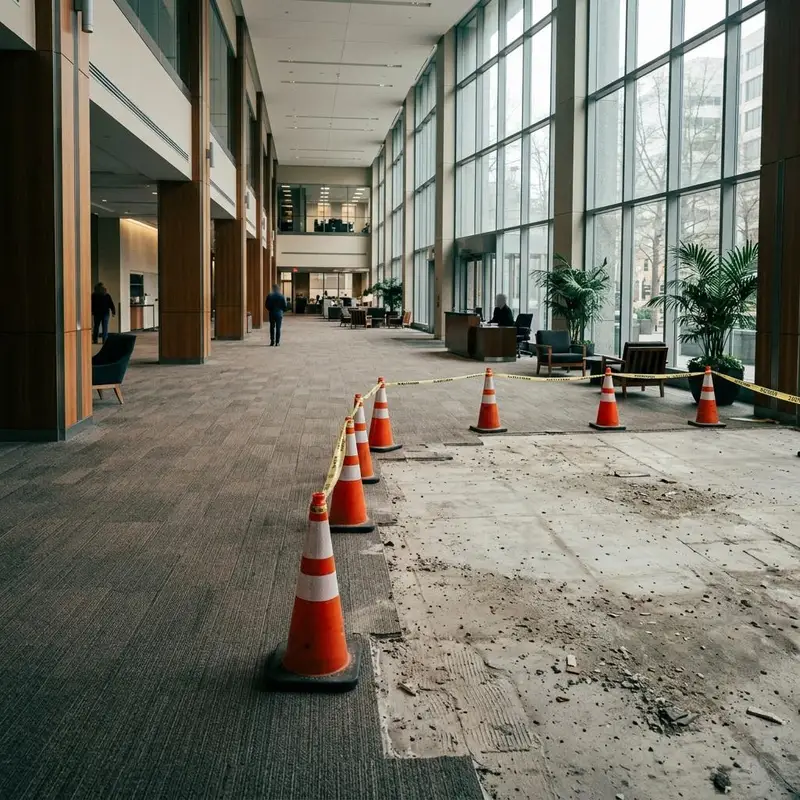
Speaking of carpet, this is where I see the most confusion. Carpet is a sponge. It traps moisture, dust, and organic debris, making it a prime breeding ground for mold. When you have moisture issues from a flood, a plumbing leak, or high humidity, carpet can harbor hidden mold that is not visible from the surface. The EPA mold remediation guidelines address this by recommending that any water-damaged carpet be dried within 24 to 48 hours to prevent mold growth. If that window is missed, the carpet likely needs to be removed and replaced. Cleaning alone is rarely enough once mold has penetrated the backing and padding.
Why Inspection Matters More Than You Think
A thorough inspection is the foundation of any successful remediation plan. You cannot treat what you cannot see. Mold often grows behind baseboards, under flooring, and inside wall cavities. A visual check is not sufficient. Professionals use moisture meters, borescopes, and sometimes even thermal imaging to locate hidden mold. The EPA guidelines emphasize that you should never disturb mold without first understanding its extent, because disturbing it can release spores into the air and worsen the problem.
When I work with clients, I always recommend starting with a professional inspection before any mold removal begins. It saves time and money in the long run. You might think you have a small problem, only to find that moisture has wicked up into the walls and spread to multiple rooms. A good inspector will also identify the underlying moisture issue, whether it is a leaky pipe, poor ventilation, or groundwater seepage. Fixing that is the only way to prevent mold from returning after remediation.
Practical Steps Aligned with EPA Guidelines
So what does a proper remediation look like in practice? Based on the EPA recommendations and my own experience, here are the key steps:
- Containment: Isolate the affected area with plastic sheeting to prevent spores from traveling to other parts of the building. Negative air pressure is ideal for larger jobs.
- Removal: Dispose of porous materials that cannot be cleaned, such as moldy carpet, padding, and drywall. Bag and seal them before carrying through clean areas.
- Cleaning: Scrub non-porous surfaces with detergent and water. The EPA does not recommend bleach for most mold situations because it can be harsh and is less effective on porous surfaces. An antimicrobial cleaner may be appropriate for certain materials.
- HEPA vacuum: After cleaning, use a HEPA vacuum to capture any remaining spores and dust. Standard vacuums will blow spores back into the air.
- Drying: Ensure the area is completely dry before rebuilding. This might take several days with dehumidifiers and fans.
These steps reflect the EPA mold remediation guidelines and are designed to protect both the occupants and the workers. Skipping any of them can lead to recurring mold or health complaints.
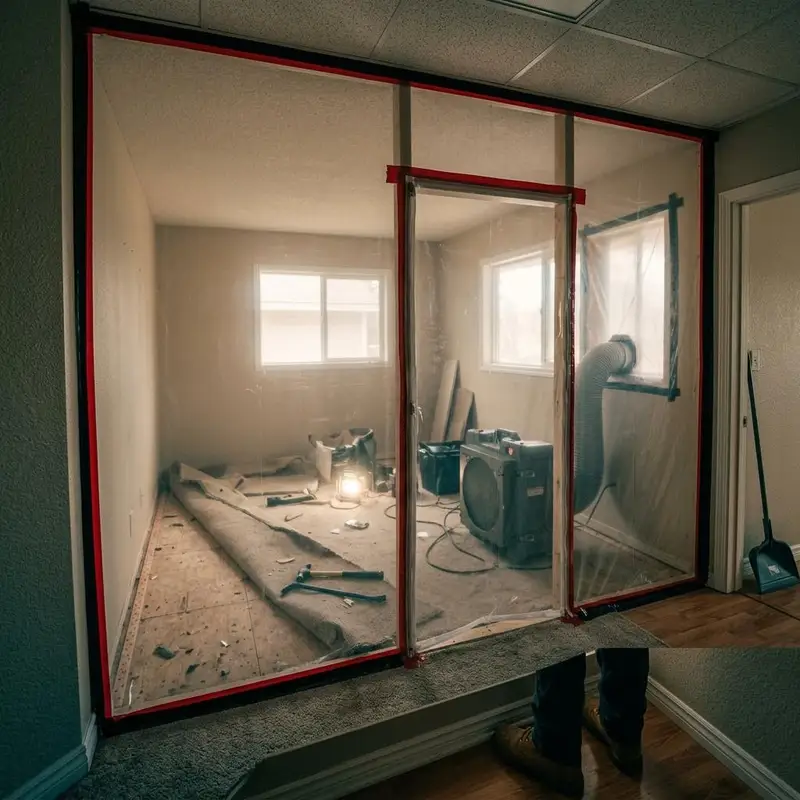
Hidden Mold and the Role of Professional Service
Hidden mold is a particular challenge in homes and businesses. It can grow for months without anyone noticing, slowly degrading indoor air quality and exposing people to allergens and mycotoxins. Carpets are especially tricky because the top surface may look clean while the underside is black with mold. I have seen cases where a homeowner pulled up a corner of the carpet and found a thriving colony that had been releasing spores into the room for years.
When hidden mold is suspected, the EPA guidelines recommend bringing in a professional service with the right equipment and training. Professionals have HEPA vacuums, antimicrobial treatments, and containment protocols that are not available to the average homeowner. They also know how to perform a proper inspection and mold removal without cross-contaminating other parts of the building. For businesses, this is critical because downtime and liability are real concerns. A botched DIY attempt can make the problem worse and lead to costly repairs later.
Moisture Control Is the Real Key
All the cleaning in the world will not help if you still have a leak or high humidity. The EPA mold remediation guidelines are clear about this. They define the root cause as moisture issues, and they urge property owners to address them before any cleanup begins. In many homes, simple steps like fixing a dripping faucet, venting the bathroom fan outside, or grading the soil away from the foundation can prevent mold from ever taking hold. In businesses, maintaining HVAC systems and keeping relative humidity below 60 percent is essential.
I once consulted for a small office that had recurring carpet mold every winter. They kept cleaning it, but it always came back. It turned out that the building's slab foundation had no vapor barrier, so moisture was wicking up from the ground into the carpet. No amount of mold removal would fix that until they installed a proper barrier and replaced the affected carpet. That is the kind of systemic issue the EPA guidelines help you identify.
Health Considerations and Indoor Air Quality
Mold is more than an eyesore. It directly impacts indoor air quality. Spores, fragments, and volatile organic compounds from mold can cause respiratory issues, allergic reactions, and other health problems. People with asthma or compromised immune systems are especially vulnerable. The EPA guidelines emphasize that remediation should aim to protect occupant health, not just restore the appearance of a building.
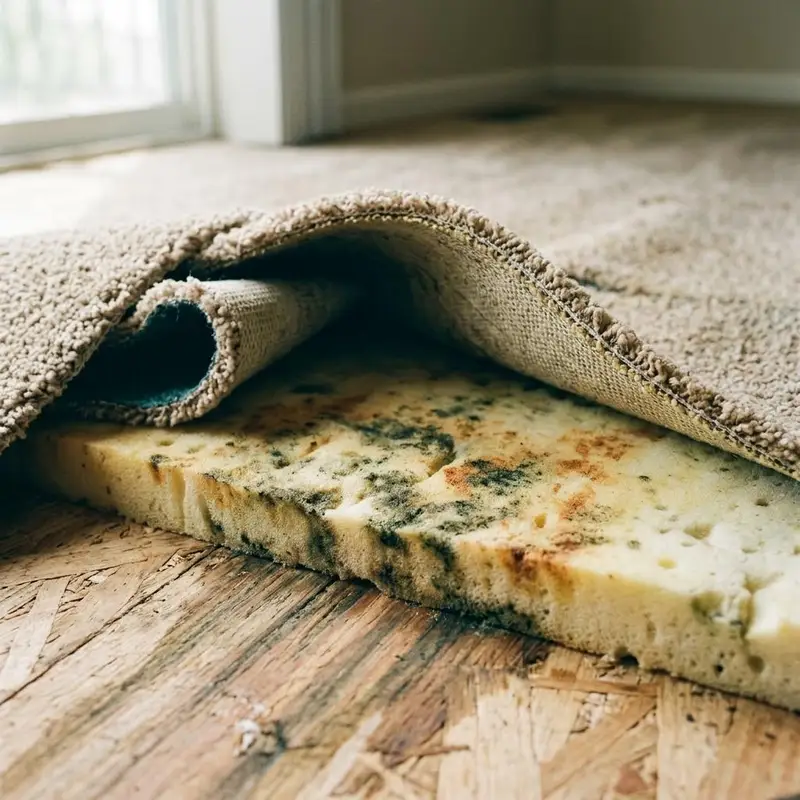
For families, this means being proactive. If you smell mold or notice a musty odor, do not ignore it. Have an inspection done. For businesses, it is about liability and productivity. Poor air quality can lead to sick days and lower morale. Following the EPA mold remediation guidelines is a responsible way to maintain a healthy environment for everyone.
Wrapping Up
Mold remediation does not have to be overwhelming. The EPA mold remediation guidelines provide a straightforward, science-based approach that works for both homes and businesses. Whether you are dealing with a small spot of carpet mold or a large infestation, the principles are the same: find the moisture, contain the area, remove contaminated materials, clean thoroughly, and dry completely. If the problem is extensive or involves hidden mold, do not hesitate to call a professional service. The cost of remediation is small compared to the cost of ongoing health issues and property damage. Take the guidelines seriously, and you will end up with a safer, healthier space.